Category: Flashlight Customization

Practical guides to custom flashlight decoration, artwork, packaging, sampling, and OEM production.

  • Bulk Flashlight Supplier China: A Practical B2B Ordering Guide

    Buying flashlights in volume from China requires more than finding a low unit price. The buyer must define the assortment, normalize quotations, control batteries and components, approve packaging, inspect the production lot, and plan repeat orders. A capable bulk flashlight supplier should make these decisions visible instead of leaving important assumptions inside a catalog listing or chat thread.

    This guide presents a practical B2B workflow for distributors, retailers, promotional buyers, importers, and corporate procurement teams sourcing flashlights from China. It covers order planning, SKU selection, RFQs, MOQ structure, samples, production control, inspection, packing, logistics, and replenishment. It does not promise a universal price, quantity, output, certification, or lead time because those depend on the model, battery, customization, order mix, packaging, testing, capacity, and destination.

    What makes bulk flashlight purchasing different?

    In a sample order, one unit can be checked closely. In a bulk program, the buyer must control consistency across hundreds or thousands of product, battery, accessory, package, and carton combinations. Small ambiguities scale into expensive problems: a different charger, inconsistent finish, incorrect label, missing cable, substituted battery, or mixed packaging revision can affect an entire shipment.

    The solution is a controlled purchasing system with clear approval gates:

    StageBuyer decisionSupplier deliverable
    Demand planApplications, channels, quantities, timing, and SKU rolesSuitable product shortlist
    RFQComparable product and commercial scopeItemized quotation and exceptions
    SampleProduct, branding, package, and acceptance approvalControlled representative sample
    Order releaseFinal specification, files, payment, and inspection planConfirmed production schedule
    ProductionApproved changes onlyMilestone and quality records
    InspectionShipment acceptance or corrective actionInspection-ready lot and closure evidence
    LogisticsPacking, Incoterm, documents, and bookingShipment document set
    ReplenishmentForecast and approved revisionRepeat-order confirmation

    Step 1: build a demand plan before requesting prices

    Start with who will use the flashlights, where they will be sold or distributed, and what each SKU is expected to do. A coherent assortment may use one product for general household use, another for outdoor activity, and a different format for work or inspection. Avoid selecting many visually similar items that compete for the same customer without a clear reason.

    • Application: emergency, outdoor, work, inspection, patrol, promotional, retail, or other defined use.
    • Customer: distributor, retailer, industrial buyer, corporate program, or direct consumer.
    • Market: destination country, channel requirements, language, labels, packaging, and verification needs.
    • Volume: sample quantity, first order, quantity per SKU and color, reorder expectation, and annual estimate if known.
    • Timing: launch date, required delivery window, seasonal constraints, and buyer approval deadlines.
    • Commercial boundary: destination, requested Incoterm, packaging scope, inspection, and logistics responsibilities.

    Separate firm demand from forecast demand. A forecast helps with capacity and component planning, but it should not be presented as a binding purchase quantity unless the commercial documents say so.

    Step 2: define each flashlight SKU precisely

    A model number and product photo are not enough for bulk purchasing. Define the approved configuration so different quotations and later production lots describe the same product.

    • Housing material, dimensions, finish, color, switch, clip, magnet, zoom, side light, and other physical features
    • LED, driver, optics, beam pattern, modes, controls, indicators, memory, and lockout where relevant
    • Peak and sustained output basis, runtime method, thermal stepdown, and operating expectations
    • Battery type, included cell, protection, replaceability, charging input, cable, charger, and transport-document needs
    • Logo, labels, manual, barcode, retail package, insert, accessories, inner pack, export carton, and carton marks
    • Required sample tests, reports, production checks, tolerances, inspection plan, and approved reference sample

    Mark requirements as mandatory, preferred, or flexible. This lets the supplier recommend an existing platform when appropriate and identify any request that changes components, setup, MOQ, test scope, or schedule.

    Step 3: decide whether to buy one SKU or a mixed assortment

    A single-SKU order is usually simpler to quote, produce, inspect, and replenish. A mixed assortment may serve more customer needs but adds complexity. Each product, color, battery, logo, package, manual, barcode, and carton configuration can create a separate material or production minimum.

    Ask the supplier to show MOQ at each level rather than giving only one total number:

    • MOQ for the base flashlight model
    • Minimum per housing color or finish
    • Minimum per logo or decoration method
    • Minimum per printed package, manual, label, and barcode version
    • Minimum for customized batteries, accessories, or electronic components
    • Master-carton quantity and order-multiple requirements

    If the first order is too fragmented, simplify the product range, use a common packaging system with SKU labels, choose standard colors, or launch fewer variants. The aim is not merely to meet a supplier minimum, but to create an assortment that can be replenished economically.

    Step 4: verify the supplier and supply chain

    Confirm the legal company named on the quotation, the entity receiving payment, the production location, and which processes are handled in-house or subcontracted. The supplier should be able to explain how it controls the housing, LED, driver, battery, charging components, optics, assembly, testing, packaging, and approved substitutions.

    Verification can include registration documents, a structured video review, quality records, test-equipment evidence, sample traceability, and—when risk or order value justifies it—an independent audit or visit. A general certificate or factory presentation does not prove that the exact quoted model meets every buyer or market requirement. Match any report to its applicant, manufacturer, model, configuration, standard, date, and scope.

    Step 5: send a comparable bulk RFQ

    Send one controlled RFQ to qualified candidates. Include the specification, quantities per SKU, customization, packaging, required documents, sample plan, inspection scope, destination, requested Incoterm, and schedule. Require the supplier to list assumptions and exceptions.

    The quotation should separate:

    • Unit price by SKU and quantity tier
    • Included battery, cable, charger, accessories, package, and carton
    • Logo, color, label, manual, barcode, and packaging charges
    • Setup, artwork, tooling, engineering, testing, and documentation costs
    • Sample price, sample configuration, courier, and possible later credit
    • Inspection, spare-part, rework, and warranty responsibilities
    • Currency, payment stages, quote validity, Incoterm, named place, and exclusions
    • Production-release requirements and schedule assumptions

    Normalize offers before ranking them. A price without the approved battery, package, testing, or inspection is not comparable with a complete offer. Calculate the landed commercial scope rather than selecting the lowest unit number.

    Step 6: approve representative samples

    A catalog sample can help evaluate a product platform, but it does not approve custom components, branding, packaging, or final performance. Use a pre-production or golden sample that represents the released configuration. Record its model, revision, date, and any accepted deviations.

    Test what matters for the application. Checks may cover dimensions, workmanship, controls, charging, battery identity, initial and sustained output, runtime, beam appearance, thermal behavior, water or impact requirements where relevant, logo, labels, accessories, package fit, barcode, and carton presentation. Define the method, conditions, tolerance, and pass/fail criteria rather than relying on descriptions such as “very bright” or “waterproof.”

    Step 7: release the bulk order with controlled documents

    The purchase order should reference the final product specification, approved sample, artwork, packaging files, labels, manuals, barcodes, inspection plan, quantities, delivery basis, and change-control rule. Confirm payment stages, warranty handling, failed-lot process, spare parts, and responsibility for verification and shipment documents.

    Do not begin production with open files. Use a release checklist covering the purchase order, payment, specification, component set, sample, logo, packaging, labels, manual, test requirements, carton marks, inspection booking, and logistics information. The production lead time should start from a clearly agreed release event.

    Step 8: monitor production and control substitutions

    Track material readiness, any pilot build, assembly, in-process control, packing, and inspection-ready date. If a delay occurs, identify the affected component or decision, revised milestone, and recovery plan rather than relying on a vague new completion date.

    Bulk consistency depends on change control. Require written approval before the supplier changes the LED, driver, battery, charger, cable, optics, switch, housing material, finish, seal, adhesive, packaging, label, or other controlled item. Ask for the reason, proposed replacement, comparison evidence, effect on performance and documents, remaining old stock, and effective production lot.

    Step 9: inspect before shipment

    Agree on the inspection method before production. A bulk inspection may confirm quantity, workmanship, dimensions, assembly, switches, modes, charging, component identity, sampled output or runtime checks, logo, labels, accessories, retail package, barcodes, carton contents, carton marks, and packing data.

    Use the approved specification and golden sample as references. Define defect classifications, sampling plan, acceptance limits, and remedies in advance. When defects are found, document containment, sorting or rework, root cause, corrective action, and reinspection. Shipment pressure should not replace a written acceptance decision.

    Step 10: plan packing, freight, and import readiness

    Confirm the Incoterm and named place, product and battery configuration, packing method, carton dimensions, gross and net weights, carton count, pallet needs, labels, commercial invoice, packing list, product description, and any route- or market-specific documents with qualified logistics and compliance providers.

    Factory completion is not final delivery. Inspection, corrective action, export handling, booking, transit, customs clearance, and last-mile movement are separate milestones. Build these stages into inventory and launch planning, especially around peak shipping periods or fixed retail dates.

    Step 11: build a reliable replenishment program

    After the first shipment, record sell-through, returns, field feedback, failure modes, packaging damage, and inventory by SKU. Share structured feedback with the supplier and close corrective actions before the next order.

    For every reorder, reference the approved revision and ask the supplier to confirm components, packaging files, MOQ, price validity, material availability, production window, and proposed changes. Maintain a rolling forecast when useful, but release purchase quantities through controlled orders. Consider spare parts or replacement units according to the actual service model rather than applying an arbitrary percentage.

    Common bulk flashlight sourcing mistakes

    • Comparing model names instead of specifications: normalize the complete configuration and commercial scope.
    • Splitting the first order into too many variants: understand MOQ at product, color, logo, package, and component levels.
    • Approving a stock sample: approve the actual production configuration and packaging.
    • Leaving batteries undefined: control identity, protection, charging compatibility, labeling, and transport evidence.
    • Releasing production with open artwork: close every product and packaging file before the schedule starts.
    • Skipping change control: require written buyer approval for controlled substitutions.
    • Inspecting only cosmetic appearance: include functional, component, packaging, and identification checks.
    • Confusing factory completion with delivery: plan inspection, booking, transit, customs, and final transport separately.

    How Lebote can support a bulk flashlight program

    Buyers can send Lebote a controlled bulk inquiry covering the customer application, destination market, required functions, quantity per SKU, customization, packaging, documents, inspection, destination, and timing. The project can then start with appropriate flashlight platforms and a clear list of standard features, requested changes, assumptions, and approval needs.

    • Assortment review: compare available product formats against different applications and channels.
    • Project-specific quotation: connect price tiers, MOQ, samples, packaging, and schedule to the exact order mix.
    • Customization coordination: align product configuration, logo, labels, manuals, accessories, packaging, and carton marks.
    • Sample-to-production control: link the approved sample, specification, artwork, quality criteria, and released order.
    • Repeat-order management: reference the approved revision and review proposed substitutions before production.

    For supplier verification, see How to Verify a Reliable LED Flashlight Wholesaler. Buyers planning branding can review the private-label flashlight guide, while those preparing a full sourcing program can use the guide to sourcing flashlights from a China factory.

    FAQ about wholesale flashlight orders in China

    Q: What should I include in a bulk flashlight RFQ?

    A: Include the application, destination market, complete specification, quantity per SKU and color, battery and accessories, customization, packaging, required documents, samples, inspection plan, destination, requested Incoterm, and schedule. Require assumptions, exceptions, recurring costs, and one-time charges to be listed separately.

    Q: Can I mix several flashlight models in one bulk order?

    A: It may be possible, but each model, color, logo process, printed package, manual, barcode, and customized component can have its own minimum and production requirement. Ask the supplier to show the MOQ and order multiple at each level before finalizing the assortment.

    Q: How should I compare bulk flashlight quotations?

    A: Normalize the housing, LED, driver, optics, battery, charging, cable, accessories, logo, labels, packaging, tests, inspection, documents, Incoterm, payment terms, and exclusions. Compare the total approved scope and landed responsibility, not only the unit price.

    Q: What should be inspected before a bulk flashlight shipment?

    A: Inspect quantity, workmanship, dimensions, assembly, controls, modes, charging, component identity, selected performance samples, logo, labels, accessories, package, barcode, carton contents, carton marks, and any project-specific requirements against the approved specification and golden sample.

    Q: How can repeat bulk flashlight orders remain consistent?

    A: Reference the approved revision on every order, retain the golden sample and final artwork, control important components, require written approval for substitutions, reconfirm price and material availability, repeat critical inspection checks, and close field-quality issues before the next production run.

    Request a bulk flashlight quotation from Lebote

    Share the intended applications, destination market, quantity per model, required functions, branding, packaging, sample plan, verification needs, delivery location, and target schedule. Lebote can then discuss suitable flashlight platforms, quotation tiers, customization, approval samples, production-release conditions, and inspection scope.

    FAQ

    Q: Bulk Flashlight Supplier China: A Practical B2B Ordering Guide

    A: Build a demand plan, define each SKU and quantity, understand MOQ by model and customization, verify the supplier, and send a controlled RFQ. Approve representative samples, release production only after specifications and artwork are closed, control substitutions, inspect the finished lot, prepare shipment documents, and use the approved revision for every replenishment order.

    公司信息

    品牌名:Lebote
    工厂名称:Ningbo Lecho Electronics Co., Ltd
  • Private Label Flashlight China: A B2B Sourcing Guide

    A private-label flashlight project in China is more than placing a logo on a catalog item. The buyer must select a suitable product platform, define what the brand controls, approve artwork and packaging, verify performance, and keep the approved construction stable through production. Working with a flashlight manufacturer factory can make that process more direct when responsibilities, specifications, and approval gates are documented from the beginning.

    This guide explains how B2B buyers can build a private-label flashlight program for retail, distribution, corporate supply, outdoor channels, or other commercial uses. It covers product selection, brand positioning, customization levels, quotation scope, logo files, packaging, samples, quality control, production release, shipping, and repeat-order protection. It does not promise one universal MOQ, price, certification, output, or lead time because each depends on the chosen model, quantity, customization, testing, packaging, and destination market.

    What does private-label flashlight production include?

    Private labeling usually starts with an existing flashlight platform and adapts selected elements for the buyer’s brand. The scope can be simple or extensive:

    LevelTypical scopeMain approval evidence
    Basic brandingLogo on an existing standard flashlightLogo position, size, color, and process proof
    Retail private labelLogo, label, manual, barcode, retail box, and master cartonComplete artwork package and packed sample
    Configured private labelColor, finish, battery, modes, accessories, packaging, and branding changesFunctional pre-production sample and controlled specification
    Exclusive developmentNew housing, electronics, optics, firmware, tooling, or unique feature setDesign records, tooling terms, validation, and ownership agreement

    Define the level before requesting a final quotation. A printed logo on a standard body and a new electronic driver are not equivalent projects. They create different engineering work, setup charges, sample requirements, risks, and production schedules.

    Step 1: define the customer and sales channel

    Private-label decisions should begin with the end user, not the decoration method. A flashlight for an industrial distributor may prioritize glove-friendly controls, traceability, spare parts, and durable packaging. An outdoor retail item may require shelf-ready presentation and clear runtime information. A promotional item may emphasize budget, branding area, and delivery schedule.

    Write a one-page positioning brief:

    • Target customer and primary application
    • Sales country, channel, and expected price position
    • Core functional promise and features that support it
    • Desired material, size, weight, beam style, controls, and charging method
    • Battery and accessory expectations
    • Brand tone, color system, logo rules, packaging style, and language needs
    • Estimated first order, reorder pattern, and SKU expansion plan
    • Required documents, tests, inspection, and delivery destination

    Separate mandatory requirements from preferences. This allows the supplier to recommend a current platform where possible while identifying requests that require new parts, a different component, tooling, or further validation.

    Step 2: choose the right base flashlight

    The base platform determines most of the eventual product: housing, LED and driver space, optics, thermal path, battery format, charging architecture, switch design, sealing approach, and available branding area. Choosing only by appearance can create later conflicts with runtime, heat, package size, or user expectations.

    Ask for a structured comparison of several suitable platforms. Review dimensions, weight, materials, beam concept, modes, peak versus sustained output, runtime basis, battery, charging, included accessories, customization areas, packaging options, and any model-specific evidence. If a claim affects purchasing or marketing, verify the exact configuration and test method before printing it on packaging.

    A base model that already meets most functional requirements is often easier to control than a heavily modified model. Reserve engineering changes for features that create real value for the customer or channel.

    Step 3: create a private-label specification pack

    Do not let the catalog page, email thread, and artwork file become three different definitions of the product. Create one controlled specification pack that connects the technical product and the branded presentation.

    • Product specification: model, revision, dimensions, material, finish, LED, driver, optics, modes, battery, charging, controls, and included accessories.
    • Performance basis: output and runtime test conditions, thermal behavior, tolerances, and any required application tests.
    • Brand artwork: approved logo file, color values, size, position, orientation, clear space, and decoration process.
    • Labels: product label, battery or charging information, warnings, importer or responsible-party fields where applicable, and lot identification.
    • Packaging: insert, manual, barcode, retail box, inner pack, master carton, carton marks, language, and packed configuration.
    • Quality standard: cosmetic limits, functional tests, golden sample, sampling plan, acceptance criteria, and failed-lot process.
    • Change control: which components and files cannot change without written buyer approval.

    Give the pack a revision number and date. Every quotation, sample, purchase order, production record, inspection report, and repeat order should reference the current revision.

    Step 4: select the logo and decoration process

    The right branding process depends on the housing material, surface finish, logo detail, colors, expected wear, quantity, and visual standard. Common options can include printing, laser marking, labels, molded marks, or branded parts, but availability and suitability are model-specific.

    Approve more than a screen mockup. The artwork proof should state the exact printable area, logo dimensions, position from fixed references, orientation when the flashlight is held or displayed, color standard, process, and acceptable variation. Inspect a physical proof under normal viewing conditions and after reasonable handling. A logo that looks correct on a PDF may wrap around a curved body, sit near an assembly seam, or lose contrast on the final finish.

    Step 5: design packaging for the channel and shipment

    Retail packaging must protect the product, present the brand, communicate accurate information, and fit the logistics plan. Define the product orientation, insert, accessories, cable, battery arrangement, manual, barcode, labels, carton quantity, and master-carton marks before artwork is finalized.

    Keep marketing claims tied to verified product evidence. Statements about lumens, runtime, water resistance, impact, battery capacity, charging, materials, or conformity should match the approved model, configuration, test conditions, and destination-market rules. Avoid copying claims from another product in the factory catalog.

    Request a packed sample, not only a flat artwork proof. Check box dimensions, color, print quality, opening experience, product retention, accessory fit, label readability, barcode scanning, manual language, carton protection, and packed weight. If e-commerce fulfillment is planned, review the package against the channel’s current handling and labeling requirements.

    Step 6: request an itemized private-label quotation

    The quotation should separate recurring product costs from one-time or project-specific charges. Ask the supplier to identify:

    • Base flashlight configuration and included components
    • Price tiers and quantity basis
    • MOQ by product, color, logo process, packaging, and component where relevant
    • Logo setup, printing, engraving, label, or branded-part charges
    • Artwork, plate, tooling, mold, engineering, or prototype charges
    • Retail box, insert, manual, accessories, inner pack, and export-carton costs
    • Sample type, quantity, cost, courier, and any later credit policy
    • Testing, documentation, inspection, and third-party service costs
    • Currency, payment stages, Incoterm, named place, validity, and exclusions
    • Approval gates and the event that starts the production schedule

    A low unit price may exclude branded packaging, battery, cable, accessories, testing, inspection, or export preparation. Compare the complete approved scope rather than a headline price.

    Step 7: use samples as approval gates

    Different samples answer different questions. A standard sample helps evaluate the base platform. A logo proof confirms decoration. An engineering sample checks configured components or functions. A pre-production sample should represent the released product, artwork, labels, accessories, and packaging. The golden sample becomes the signed physical reference for production and inspection.

    Create a sample review checklist covering function, controls, charging, battery identity, dimensions, workmanship, finish, beam appearance, output and runtime evidence, thermal behavior, logo, labels, accessories, packaging, manuals, and barcodes. Record every issue in a numbered revision list. When a change affects cost, schedule, packaging, documents, or test results, require an updated quotation and specification before approval.

    Step 8: release private-label production correctly

    Bulk production should begin only after the purchase order, payment stage, final specification, golden sample, artwork, package files, labels, manuals, barcodes, test requirements, and inspection criteria are approved. Use a release checklist signed by the responsible buyer and supplier contacts.

    Ask the factory to confirm material readiness, planned production window, packing date, and inspection-ready date. Any proposed substitution to the LED, driver, battery, charging component, optics, housing, finish, cable, packaging material, or label should require written impact information and buyer approval. A silent substitution can change performance even when the exterior looks the same.

    Step 9: inspect both the product and the brand presentation

    Private-label inspection has two equally important layers. Product checks cover quantity, workmanship, assembly, dimensions, modes, charging, component identity, selected performance tests, and included accessories. Brand checks cover logo quality and position, finish, labels, packaging color and print, manuals, barcodes, carton marks, and packed configuration.

    Define the sampling plan and defect classification before production. If the lot fails, document containment, sorting or rework, root cause, corrective action, and reinspection. Do not accept a brand defect simply because the flashlight itself switches on; customers see the product and presentation as one item.

    Step 10: protect repeat orders and future SKUs

    After the first order, store the final specification, signed sample record, artwork sources, print-ready files, packaging dielines, color references, barcode assignment, approved component list, inspection report, packing data, and shipment documents. Confirm on every reorder that the factory will use the same revision or disclose changes before production.

    Build new SKUs deliberately. A different body color may require a new finish approval; a new battery can affect runtime, charging, labels, transport evidence, and package dimensions; a new market can require different language, warnings, importer information, or test scope. Use the established control system rather than assuming all changes are cosmetic.

    Common private-label flashlight mistakes

    • Choosing by appearance alone: confirm the internal configuration and performance basis.
    • Sending an incomplete logo file: provide vector artwork, colors, dimensions, orientation, and placement rules.
    • Approving only a digital mockup: inspect a physical logo and packed sample.
    • Printing unverified claims: link every technical statement to the approved model and evidence.
    • Ignoring packaging until production: close dielines, labels, manuals, barcodes, and carton marks before release.
    • Comparing incomplete quotes: normalize components, customization, packaging, testing, inspection, and trade terms.
    • Allowing silent substitutions: require written change approval for controlled components and materials.
    • Reordering by model name only: reference the exact approved product and artwork revision.

    How Lebote can support a private-label flashlight project

    Buyers can approach Lebote with a structured private-label brief that covers the end user, sales market, required functions, quantity, brand assets, packaging, samples, documents, inspection, and destination. The project can then begin with a suitable flashlight platform and a clear list of standard features, requested changes, open questions, and approval requirements.

    • Platform selection: evaluate available flashlight formats before paying for unnecessary development.
    • Coordinated branding: discuss product logo, finish, labels, manual, retail package, accessories, and carton presentation as one system.
    • Project-specific commercial scope: connect MOQ, costs, samples, and schedule to the actual configuration.
    • Controlled sampling: use physical proofs and pre-production samples to close technical and visual decisions.
    • Production consistency: connect the approved sample, specification, artwork, inspection criteria, and repeat-order revision.

    For more detail on artwork and packaging, see How to Customize a Flashlight with Your Logo and Packaging. Buyers can also review the sample, quotation, and lead-time workflow and the guide to sourcing flashlights from a China factory.

    FAQ about private-label flashlights in China

    Q: What can be customized on a private-label flashlight?

    A: Depending on the model and project, customization may cover the logo, color, finish, labels, manual, barcode, retail box, carton, accessories, battery, modes, controls, optics, or other components. The factory should identify which changes are standard options and which require engineering, tooling, testing, or a different MOQ.

    Q: What files should I send for flashlight private labeling?

    A: Provide editable vector logo artwork, brand colors, placement rules, package copy, approved claims, language versions, barcode information, label content, manual content, importer or responsible-party details where required, and any packaging references. The supplier should return controlled proofs for approval.

    Q: How is the MOQ for a private-label flashlight determined?

    A: MOQ may be driven by the base product, housing color, logo process, packaging print quantity, customized components, tooling, material purchases, or production setup. Ask the factory to separate these constraints so you can decide whether to simplify the first order or plan a larger run.

    Q: Which sample should I approve before private-label production?

    A: Approve a representative pre-production or golden sample that includes the final product configuration, logo, finish, labels, accessories, manual, barcode, retail packaging, and carton requirements. Link it to the current written specification and artwork revision.

    Q: How can I keep repeat orders consistent?

    A: Reference the approved revision on every purchase order, retain a golden sample and final artwork, control the component list, require written approval for substitutions, repeat critical inspections, and update the specification whenever an authorized change is made.

    Request a private-label project review

    Send Lebote the intended application, destination market, desired flashlight format, estimated quantity, logo files, packaging concept, sample needs, inspection requirements, delivery location, and target schedule. The team can then discuss suitable platforms, customization boundaries, quotation details, approval samples, and production-release conditions.

    FAQ

    Q: Private Label Flashlight China: A B2B Sourcing Guide

    A: Begin with the target customer and sales channel, choose a suitable base flashlight, and create a controlled specification pack covering product performance, logo, labels, manual, packaging, quality criteria, and change control. Obtain an itemized quotation, approve physical logo and packed pre-production samples, release production only after all files are closed, inspect both function and brand presentation, and protect repeat orders with revision control.

    公司信息

    品牌名:Lebote
    工厂名称:Ningbo Lecho Electronics Co., Ltd

  • How do I source flashlights from a China factory?

    Sourcing flashlights directly from China can give B2B buyers access to broad product choices, private-label options, and scalable production, but the process works only when the product, supplier, quality standard, and commercial terms are controlled. A buyer evaluating a High-lumen flashlight manufacturer factory should begin with a precise requirement sheet rather than a price-only inquiry.

    This guide explains a practical factory-sourcing workflow: define the product, shortlist manufacturers, verify the legal and production entity, issue a comparable RFQ, test samples, agree on specifications, inspect production, and manage shipping and repeat orders. It does not assume one universal price, MOQ, output level, certification, or delivery time because those depend on the exact flashlight, battery, customization, order quantity, destination market, and verification scope.

    China flashlight sourcing process at a glance

    StageBuyer actionRequired evidence
    1. DefineWrite the application, performance, quantity, customization, package, and market requirementsControlled sourcing brief
    2. ShortlistFind candidates that match the product and project typeComparable supplier profiles
    3. VerifyConfirm the legal company, factory role, capabilities, and quality systemDocuments, video review, audit, or other appropriate proof
    4. QuoteSend the same RFQ to qualified candidatesItemized quotations with assumptions
    5. SampleTest a representative configurationSample report and closed revision list
    6. ContractFreeze specifications, artwork, acceptance criteria, and commercial termsPurchase order and controlled attachments
    7. ProduceMonitor milestones and approve changes in writingProduction status and revision records
    8. InspectCheck the lot against the approved standardInspection report and corrective-action closure
    9. ShipConfirm packing, documents, Incoterm, and transport arrangementsFinal shipping document set
    10. RepeatLock the approved product and manage substitutionsRepeat-order change confirmation

    Step 1: define the flashlight before searching for a factory

    “Rechargeable high-lumen flashlight” is not a complete specification. Suppliers can answer that request with different LEDs, drivers, batteries, optics, housings, charging systems, modes, thermal behavior, accessories, and quality levels. If each factory quotes a different configuration, the prices cannot be compared fairly.

    Create a sourcing brief that covers:

    • Use case: inspection, emergency, outdoor, industrial, patrol, retail, promotional, or another defined application.
    • Destination: country, sales channel, user group, and any retailer or tender requirements.
    • Optical targets: beam type, throw or flood preference, peak and sustained output goals, runtime, modes, and color-temperature preference where relevant.
    • Power system: removable or built-in battery, charging port, included cable or charger, replaceability, and transport-document needs.
    • Mechanical requirements: approximate dimensions, material, finish, switch, clip, magnet, zoom, side light, sealing, impact expectations, and working environment.
    • Customization: logo, color, engraving or printing, labels, manual, packaging, barcode, accessories, carton marks, and language versions.
    • Commercial scope: sample quantity, first-order estimate, annual forecast if available, destination, requested Incoterm, and target schedule.
    • Verification: required reports, sample tests, golden sample, production inspection, and change-control expectations.

    Mark items as mandatory, preferred, or flexible. This helps a factory determine whether an existing platform can be adapted or whether the request needs a new component, electronics change, housing modification, tooling, or additional validation.

    Step 2: distinguish a manufacturer from a trading company

    Both manufacturers and trading companies can be useful, but buyers should know which type of partner is quoting. A factory may provide closer access to engineering, production records, component control, and change approval. A trading company may combine products from several sources or support smaller mixed orders. The right choice depends on the project; the risk comes from an undisclosed supply chain.

    Ask the candidate to identify the legal company on the quotation, the entity receiving payment, the factory address, the production steps completed in-house, subcontracted processes, and who controls the bill of materials. Compare these details across the business license, bank beneficiary, quotation, invoice, website, email domain, and audit evidence. Differences require an explanation before funds are sent.

    Step 3: build a focused factory shortlist

    Shortlist factories by technical fit rather than by the number of catalog pages. A promotional plastic flashlight, an aluminum rechargeable model, an intrinsically safe light, and a high-output tactical-style product involve different materials, electronics, testing, and production controls. A candidate should show relevant process experience for the product you actually need.

    • Does the candidate already make a similar construction and power system?
    • Can the team explain the LED, driver, battery, optics, thermal path, charging, and sealing choices?
    • Is private labeling enough, or does the project require engineering and tooling?
    • Can the supplier support the expected sample, production, inspection, and documentation workflow?
    • Are communication responsibilities clear between sales, engineering, quality, and logistics?
    • Can the supplier identify which claims require model-specific testing?

    A smaller, relevant shortlist makes verification more useful. It also reduces the temptation to select the lowest number from quotations that describe different products.

    Step 4: verify the China factory before placing an order

    Verification should be proportional to the order value, technical risk, destination-market requirements, and importance of continuity. Start with documents and a structured video review. For larger or higher-risk programs, consider an independent factory audit or an on-site visit.

    A verification checklist may include:

    • Legal registration details and authorized business scope
    • Factory location and relationship between legal, sales, production, and payment entities
    • Relevant assembly, machining, surface-treatment, electronics, testing, and packing processes
    • Incoming, in-process, and final inspection methods
    • Calibration and maintenance status for relevant test equipment
    • Control of approved components, revisions, nonconforming material, and substitutions
    • Traceability for the flashlight, battery, charger, packaging, and production lot
    • Model-specific test reports and whether the tested configuration matches the quoted product
    • Corrective-action process, complaint handling, spare parts, and repeat-order controls

    Do not treat a logo on a certificate or a general factory presentation as proof that every model meets every market requirement. Check the applicant, manufacturer, model numbers, standard, issue date, scope, laboratory, and configuration against the product you intend to buy.

    Step 5: send a quotation-ready RFQ

    Send the same controlled RFQ to every shortlisted factory. Include the requirement sheet, target quantities, sample needs, customization files, packaging scope, destination, requested Incoterm, and required documents. Ask suppliers to identify exceptions rather than silently replacing a requirement with their standard option.

    A usable quotation should state the model and revision, included battery and accessories, packaging, logo method, price tiers, MOQ basis, sample cost, tooling or setup charges, testing and inspection costs, currency, payment stages, Incoterm and named place, validity, production-release conditions, schedule basis, and exclusions.

    Normalize the offers in a comparison sheet. One price may include a battery, cable, branded box, manual, reports, and export carton while another covers only the flashlight. Compare total landed scope, not only the unit price.

    Step 6: order the right samples and test them

    A stock sample can confirm size, handling, beam concept, and general construction, but it does not approve custom electronics, color, logo, packaging, or final components. If the product is customized, define whether you need an appearance proof, engineering sample, pre-production sample, or signed golden sample.

    Write the test plan before the samples arrive. Depending on the application, it may cover dimensions, workmanship, controls, mode sequence, charging, battery identity, initial and sustained output, runtime, beam profile, thermal stepdown, surface temperature, sealing, impact, logo durability, packaging, labels, accessories, and barcode scanning. State the method, conditions, units, tolerance, and pass/fail rule.

    Send one consolidated feedback document with numbered issues. Each accepted change should update the quotation, specification, bill-of-material reference, artwork, test record, and schedule where affected. The final pre-production or golden sample should be linked to the released documents and retained as a physical comparison reference.

    Step 7: lock the specification and purchase terms

    A purchase order should not rely on a product photo and model name alone. Attach the approved specification, sample reference, artwork, packaging files, labels, accessories list, test requirements, inspection plan, quantities, tolerances, delivery basis, and change-control rule.

    Commercial documents should also define payment stages, production-release trigger, Incoterm and named location, target completion basis, inspection responsibility, failed-lot remedy, warranty handling, spare-parts expectations, intellectual-property responsibilities, and the process for approved substitutions. Terms should be reviewed for the buyer’s actual contract and jurisdiction rather than copied from a generic template.

    Step 8: manage production without losing revision control

    Confirm that all release conditions are closed before production starts: purchase order, agreed payment, final specification, approved sample, artwork, labels, packaging, required reports, inspection criteria, and shipment information. Beginning while these items remain open can turn a small uncertainty into rework across the whole lot.

    Track material readiness, pilot build where appropriate, assembly, in-process checks, packing, and inspection-ready date. If the factory proposes a battery, LED, driver, charger, optical, housing, finish, or packaging substitution, require written impact information and buyer approval before use. A product that looks identical can perform differently after an internal component change.

    Step 9: inspect the flashlight order before shipment

    Inspection should reference the approved revision and golden sample. Define the sampling plan and acceptance limits before production. Checks may include quantity, workmanship, dimensions, assembly, modes, charging, battery and charger identity, basic output and runtime sampling, logo, labels, accessories, packaging, carton marks, and project-specific safety or functional tests.

    If the lot fails, record the defects, affected quantity, root-cause response, containment, rework method, and reinspection result. Do not release shipment only because the booking date is approaching. The cost of a delayed correction at the factory is often lower than sorting or replacing goods after import.

    Step 10: prepare shipping and import documentation

    Confirm the agreed Incoterm and named place, transport mode, packing dimensions, weights, battery configuration, labels, commercial invoice, packing list, product descriptions, tariff classification responsibility, and any model- or route-specific documents with qualified logistics and compliance providers. Battery-powered products may require additional transport evidence and packing controls depending on the configuration and route.

    Separate factory completion from final delivery. Inspection, corrective action, booking, export handling, transit, customs clearance, and last-mile delivery are different schedule stages. Build contingency around launch dates and avoid advertising a delivery date based only on a factory estimate.

    Common red flags when sourcing flashlights from China

    • The legal company, payment beneficiary, and claimed factory relationship do not align.
    • The supplier gives a final price without clarifying battery, accessories, package, output basis, or customization.
    • A certificate is presented without matching the quoted model and configuration.
    • The sample uses one component set, but production substitutions are unrestricted.
    • The quotation hides tooling, setup, testing, inspection, packaging, or shipping exclusions.
    • The factory refuses reasonable inspection, traceability, or written change approval.
    • Performance claims are offered without test conditions, duration, tolerance, or evidence.
    • The promised schedule begins before specifications and artwork are approved.
    • Communication stays vague when engineering or quality questions are raised.

    How to approach a flashlight sourcing project with Lebote

    Lebote can be approached with the same controlled sourcing process described above. Start by sharing the application, market, performance targets, battery preference, quantity, branding, packaging, documents, sample needs, destination, and schedule. The team can then discuss a suitable existing platform or identify where customization requires additional review.

    • Platform-based sourcing: begin with an available flashlight format where it satisfies the brief, reducing unnecessary development.
    • Integrated customization discussion: review configuration, logo, finish, packaging, labels, manuals, accessories, and sample expectations together.
    • Project-specific quotation: connect price, MOQ, sample scope, and schedule to the actual configuration instead of relying on a universal promise.
    • Sample-to-production control: use a written specification, approved sample, artwork package, inspection criteria, and revision record.
    • Export preparation: close product, packing, battery, labeling, and shipment-document questions before cargo handoff.

    For related due-diligence detail, read How to Find a Reliable LED Flashlight Manufacturer. Buyers planning private-label changes can also review the custom flashlight manufacturing process and the guide to samples, quotations, and lead times.

    FAQ about sourcing flashlights from a China factory

    Q: What information should I send to a China flashlight factory?

    A: Send the application, destination market, optical and runtime targets, battery and charging preference, construction, expected quantity, customization, packaging, required documents, sample tests, inspection plan, destination, Incoterm request, and schedule. Mark each requirement as mandatory, preferred, or flexible.

    Q: How can I verify that a supplier is the actual flashlight manufacturer?

    A: Compare the legal registration, quotation entity, bank beneficiary, factory address, production processes, bill-of-material control, quality records, and audit evidence. Ask which operations are performed in-house and which are subcontracted. Resolve inconsistencies before ordering or paying.

    Q: Should I choose the lowest flashlight quotation?

    A: Not until every offer is normalized. Compare the LED, driver, battery, charger, accessories, packaging, logo method, testing, inspection, documents, Incoterm, payment terms, and exclusions. A lower unit price may describe a different product or omit essential project costs.

    Q: Which sample should be approved before bulk production?

    A: Approve a representative pre-production or golden sample linked to the released specification, component revision, artwork, labels, accessories, packaging, and acceptance criteria. A standard catalog sample confirms only the features it actually contains.

    Q: How do I reduce risk on the first factory order?

    A: Verify the supplier, control the specification, test representative samples, define purchase and change terms, monitor release milestones, inspect the lot before shipment, confirm logistics documents, and keep a golden sample. Use independent audit, testing, inspection, legal, or compliance support when the project’s risk justifies it.

    Send Lebote a controlled sourcing brief

    Describe the intended use, destination market, required functions, quantity, branding, packaging, sample plan, verification needs, delivery location, and target schedule. Lebote can use that information to discuss suitable flashlight platforms, open technical questions, quotation scope, samples, and production-release requirements.

    FAQ

    Q: How do I source flashlights from a China factory?

    A: Define a controlled product brief, shortlist factories that match the construction, verify the legal and production entity, send a comparable RFQ, test representative samples, and freeze the specification before placing the order. Use written change control during production, inspect the finished lot against the approved sample and acceptance criteria, then confirm packing, transport, and import documents before shipment.

    公司信息

    品牌名:Lebote
    工厂名称:Ningbo Lecho Electronics Co., Ltd

  • Custom Flashlight Samples, Quotes, and Lead Times: A B2B Process Guide

    A custom flashlight project succeeds when the quotation, sample, and production schedule describe the same controlled product. Buyers working with a High-lumen flashlight wholesaler should therefore treat these three stages as one connected approval process—not as separate emails handled by different people.

    This guide shows how a B2B buyer can move from an initial brief to a comparable quotation, representative samples, specification freeze, production scheduling, inspection, and repeat orders. It avoids universal promises about MOQ, price, sample time, or delivery because those depend on the chosen platform, customization depth, components, testing, quantity, packaging, capacity, and destination.

    The complete process at a glance

    StageBuyer inputSupplier outputApproval gate
    1. Product briefUse case, market, performance, quantity, branding, package, documentsClarifying questions and platform recommendationsOne written requirement set
    2. FeasibilityMandatory versus flexible requirementsPossible configuration, limitations, risks, and open itemsAgreed project scope
    3. QuotationIncoterm, destination, target quantity, sample needsItemized price, MOQ, charges, assumptions, validity, schedule basisComparable commercial offer
    4. Sample planQuestions the sample must answerSample type, configuration, cost, dispatch plan, test evidenceWritten sample specification
    5. Sample approvalFunctional, visual, packaging, and document reviewCorrections and controlled revisionSigned golden or pre-production sample
    6. Production releasePurchase order, artwork, labels, files, deposit, approvalsConfirmed schedule and material planAll release conditions closed
    7. Bulk productionChange-control and inspection requirementsLot records, in-process control, completion noticeInspection-ready goods
    8. Inspection and shipmentSampling plan, destination, shipping instructionsInspection result, packing data, shipment documentsWritten shipment release

    The important discipline is simple: do not let the product change silently as it moves from quote to sample to production. Every stage should reference the same model and revision, and every approved change should update the documents that follow.

    Step 1: write a quotation-ready custom flashlight brief

    A vague request such as “Please quote a very bright rechargeable flashlight with our logo” forces the supplier to guess. Different factories may quote different LEDs, batteries, chargers, housings, accessories, packages, and quality levels, so the lowest price may represent a different product.

    A quotation-ready brief should define:

    • Application: work, emergency, outdoor, inspection, patrol, promotional, retail, or another defined use.
    • Destination market: country, sales channel, customer type, and any tender or retailer requirements.
    • Performance: peak and sustained output goals, beam profile, throw or flood priority, runtime, modes, thermal expectations, and environmental use.
    • Power: replaceable or built-in battery, charging method, included cell, charger, cable, and transport-document needs.
    • Construction: approximate size, material, grip, switch, clip, magnet, zoom, side light, display, sealing, and impact expectations.
    • Customization: logo, color, finish, label, manual, insert, retail box, master carton, barcode, and accessories.
    • Commercial scope: sample quantity, estimated first order, repeat-order range, destination, Incoterm request, and target schedule.
    • Verification: required reports, sample tests, inspection method, golden sample, and change-control expectations.

    Mark each requirement as mandatory, preferred, or flexible. This lets the supplier recommend an existing platform where it makes sense and identify which requests require component changes, tooling, engineering, additional samples, or testing.

    Step 2: separate four levels of customization

    The word “custom” changes the quote and schedule only when the work is defined. Ask the supplier to classify the project:

    LevelTypical scopeMain pricing and schedule drivers
    Stock sampleExisting standard model, no buyer brandingAvailability, sample handling, courier
    Private labelExisting model with logo, label, manual, or packageArtwork method, setup, package quantity, proof approval
    Configured productChanges to modes, battery, color, optics, accessories, or controlsEngineering review, component sourcing, validation, possible retesting
    New developmentNew housing, tooling, electronics, firmware, optical or thermal designDesign work, tooling, prototypes, validation, ownership, multiple revisions

    A supplier cannot give a meaningful final schedule until the level is clear. A logo proof on an existing body and a new high-current driver program do not belong in the same lead-time category.

    Step 3: request an itemized quotation

    A useful quotation identifies what the buyer receives and what remains excluded. At minimum, it should state:

    • Supplier legal name and quotation reference
    • Controlled model, revision, photographs, drawing, or linked specification
    • LED, battery, charger, cable, accessories, and packaging included
    • Logo or decoration method, location, size, colors, and setup charges
    • Price tiers and the quantity basis for each tier
    • MOQ by product, color, logo method, package, and component where relevant
    • Sample price, sample configuration, courier, and whether any charge is credited later
    • Tooling, mold, artwork, testing, inspection, documentation, or engineering charges
    • Incoterm, named place, currency, payment stages, and quote validity
    • Schedule assumptions and the event that starts each phase
    • Warranty responsibility, spare parts, defect remedy, and excluded costs

    Do not compare two offers until the contents match. One quotation may include a branded box, battery, charging cable, and test file while another covers only the bare flashlight. Build a normalization sheet so that every supplier is evaluated on the same configuration and commercial boundary.

    Step 4: understand what changes the price

    Custom flashlight pricing is a system result. The largest drivers may include the housing material and finish, LED and driver, battery, optics, sealing, charging components, switches, display, accessories, logo process, packaging, quantity, testing, inspection, and freight.

    For a high-output model, price comparisons should also control the battery and thermal design. A quote using a lower-discharge cell, short turbo duration, aggressive thermal stepdown, or different driver is not technically equivalent to one designed for longer sustained output. Ask the supplier to explain which component or requirement creates each price difference.

    Step 5: choose the right sample type

    One sample cannot answer every question. Define the decision the sample must support:

    Standard model sample

    Use a standard sample to assess size, handling, beam concept, controls, basic construction, and whether the platform is worth customizing. It is not approval of custom color, logo, packaging, battery, firmware, or final performance.

    Logo or appearance proof

    This proof confirms decoration size, position, color, contrast, finish, and visual quality. If it is made on a nonfunctional shell or a standard unit, record that limitation rather than treating it as a production sample.

    Engineering or functional sample

    An engineering sample evaluates the configured LED, driver, battery, charging, modes, controls, optics, thermal behavior, sealing concept, or other functional changes. It may still use temporary parts, so the supplier should identify deviations from intended production.

    Pre-production sample

    A pre-production sample should represent the released construction, component set, finish, logo, labels, accessories, packaging, instructions, and inspection criteria. Open deviations must be listed and closed before bulk production begins.

    Golden sample

    The golden sample is the signed physical reference used with the written specification. It should carry the model and revision, approval date, buyer and supplier sign-off, and a clear statement of what it controls. Store it carefully and use it during production inspection and dispute review.

    Step 6: create a written sample test plan

    Before the sample ships, agree on the checks. A practical plan may cover:

    • Dimensions, weight, material, finish, assembly, and cosmetic standard
    • Switch operation, mode sequence, memory, lockout, indicators, and charging behavior
    • Initial and sustained light output, runtime curve, peak beam intensity, and beam appearance
    • Battery identity, capacity evidence, protection, compatibility, and transport documentation
    • Surface temperature, thermal stepdown, recovery, and operation at expected ambient conditions
    • Water, dust, impact, drop, vibration, or other application-specific checks where required
    • Logo adhesion or engraving, color, placement, package fit, labels, manual, and barcode
    • Included accessories, spare parts, carton contents, and shipment configuration

    Record methods, conditions, units, tolerances, and acceptance criteria. “Bright enough” and “waterproof” are not inspection standards. If a test is destructive, order enough samples to avoid approving a product based on a unit that can no longer serve as the reference.

    Step 7: manage revisions without losing control

    Sample feedback should be numbered and closed systematically. Use a table with the issue, requirement, evidence, responsible party, due date, supplier response, new revision, and approval status. Avoid long message threads where an old instruction can be mistaken for the current one.

    Every revision may affect price and time. A battery change may alter runtime, transport documents, charger compatibility, package labeling, and compliance evidence. A housing change may affect tooling, seals, optics, heat transfer, finish, and carton dimensions. Ask the supplier to issue a change-impact statement before approving the revision.

    Step 8: build the lead time from milestones

    “Lead time” is often quoted as one number even though it contains different clocks. Build the schedule by milestone:

    PhaseStart conditionFinish evidenceCommon delay causes
    Feasibility and quoteComplete brief receivedApproved scope and quotationMissing performance, quantity, market, or package details
    Sample preparationSample specification and charges approvedSample dispatch and record packageCustom parts, artwork, component sourcing, tooling, rework
    Buyer evaluationSample receivedConsolidated written feedbackUnplanned tests, multiple reviewers, unclear acceptance criteria
    RevisionFeedback acceptedUpdated sample or documentary closureDesign changes, new components, repeat testing
    Production releasePO, payment, artwork, specification, and approvals completeSupplier schedule confirmationOpen files, payment, material, capacity, or compliance gaps
    Material and productionRelease confirmedCompleted goods ready for inspectionLong-lead components, substitutions, rework, capacity conflicts
    Inspection and shipmentGoods and documents readyShipment release and handoffFailed inspection, document errors, battery handling, booking or customs issues

    Ask for a working-day range for each phase and identify nonworking periods, capacity reservations, cutoff dates, and buyer-response assumptions. The production clock should start only after release conditions are complete. If the supplier reserves materials or capacity earlier, document what is reserved, for how long, and who bears cancellation risk.

    Step 9: connect the quote to the production schedule

    A quoted price can expire before sample approval, and a component price can change when the specification changes. Before issuing the final purchase order, ask the supplier to reconfirm the product revision, quantity, price, MOQ, tooling, packaging, test scope, Incoterm, payment stages, and schedule.

    Include a release checklist. The supplier should not start bulk production while the artwork, labels, battery, charger, manual, carton marks, reports, inspection plan, or sample approval remains open. Starting early may appear to save time but often converts unresolved questions into rework.

    Step 10: inspect before shipment and protect repeat orders

    Bulk inspection should reference the approved revision and golden sample. Check quantity, workmanship, critical dimensions, modes, charging, battery identity, output or functional samples, logo, package, labels, accessories, carton data, and any project-specific tests. Define the sampling plan and failed-lot remedy before production, not after a problem appears.

    For repeat orders, require confirmation that the component set and controlled files remain unchanged. If the supplier proposes a substitution, review its effect on output, runtime, thermal performance, charging, transport evidence, compliance, package labels, price, and schedule. Approve the change in writing or reject it before production.

    Common process mistakes and how to prevent them

    • Requesting price before defining the product: send one controlled brief and ask suppliers to identify assumptions.
    • Approving a stock sample as the custom product: state exactly what each sample proves and what remains open.
    • Comparing unlike quotations: normalize battery, accessories, packaging, testing, Incoterm, and excluded charges.
    • Starting production with open artwork: use a release checklist and controlled files.
    • Treating dispatch date as delivery date: separate production completion, inspection, booking, transit, customs, and final delivery.
    • Accepting a peak-lumen number without duration: request sustained output, thermal stepdown, runtime curve, and battery details.
    • Allowing silent substitutions: require written change notification and buyer approval.
    • Relying on chat history: consolidate requirements into a signed specification, artwork package, and purchase order.

    How Lebote supports samples, quotations, and schedules

    Lebote’s official site presents a mobile-lighting factory in Ninghai, Ningbo, Zhejiang and states that the business was established in 2010, employs more than 200 people, and has over a decade of manufacturing and export experience. These are first-party statements; buyers should verify any fact that affects supplier approval or contracting.

    The published flashlight catalog gives buyers multiple rechargeable, zoom, COB side-light, magnetic, display, emergency, and handheld formats to evaluate as starting platforms. That breadth can reduce unnecessary development when a current design already fits most of the brief.

    Lebote custom-service advantages

    • Platform selection before quotation: the team can compare existing product formats against the application and target market.
    • Integrated customization discussion: product configuration, logo, finish, packaging, labels, accessories, samples, and testing needs can be reviewed together.
    • Transparent project questions: MOQ, cost, and timing can be tied to the feature or deliverable that drives them rather than presented as unexplained numbers.
    • Sample-to-production control: the project can use a controlled specification, approved sample, artwork package, and inspection criteria.
    • Export coordination: product, packing, battery, and shipment-document questions can be addressed before cargo handoff.

    Lebote does not publish one universal MOQ, sample charge, price, or lead time for every custom flashlight because project requirements differ. Send a complete brief to receive a model-specific response. For broader context, see the China versus USA sourcing comparison and the full custom manufacturing process.

    FAQ about custom flashlight samples, quotes, and lead times

    Q: What information is required for an accurate custom flashlight quotation?

    A: Provide the application, destination market, performance targets, battery and charging preference, construction, quantity, customization, packaging, documents, inspection, Incoterm, destination, and schedule. Mark mandatory and flexible requirements so the supplier can quote a suitable platform and identify open assumptions.

    Q: Which flashlight sample should I approve before bulk production?

    A: Approve a representative pre-production sample or golden sample linked to the final specification, component revision, artwork, labels, accessories, packaging, and acceptance criteria. A stock sample or logo proof alone does not approve the complete custom product.

    Q: When does the production lead time start?

    A: The purchase documents should define the trigger. A reliable schedule normally starts after the supplier has the purchase order, agreed payment, final specification, approved sample, artwork, packaging files, labels, and other required release items. Open requirements can delay or invalidate the original estimate.

    Q: Why can a custom flashlight quote change after sampling?

    A: Sampling may reveal changes to the battery, driver, LED, optics, housing, tooling, finish, logo, packaging, testing, or inspection scope. The supplier should issue a revised itemized quotation and schedule showing the impact before the buyer approves the new revision.

    Q: How can buyers reduce sample and production delays?

    A: Send a complete brief, consolidate feedback, appoint one approval owner, define acceptance criteria before sampling, close artwork and labels early, identify long-lead components, use revision control, and release production only when the checklist is complete.

    Request a project-specific plan from Lebote

    Share the intended use, market, performance targets, quantity, branding, packaging, sample needs, documents, destination, and schedule. Lebote can then identify a suitable platform and provide a project-specific quotation, sample plan, open-item list, and schedule basis for discussion.

    FAQ

    Q: Custom Flashlight Samples, Quotes, and Lead Times: A B2B Process Guide

    A: Begin with a controlled product brief, define the customization level, and obtain an itemized quotation with assumptions, exclusions, sample scope, and schedule triggers. Use standard, appearance, engineering, and pre-production samples for their intended decisions, then approve a golden sample and final specification. Release production only after price, artwork, packaging, documents, inspection criteria, and payment conditions are closed, and require written approval for later changes.

    公司信息

    品牌名:Lebote
    工厂名称:Ningbo Lecho Electronics Co., Ltd

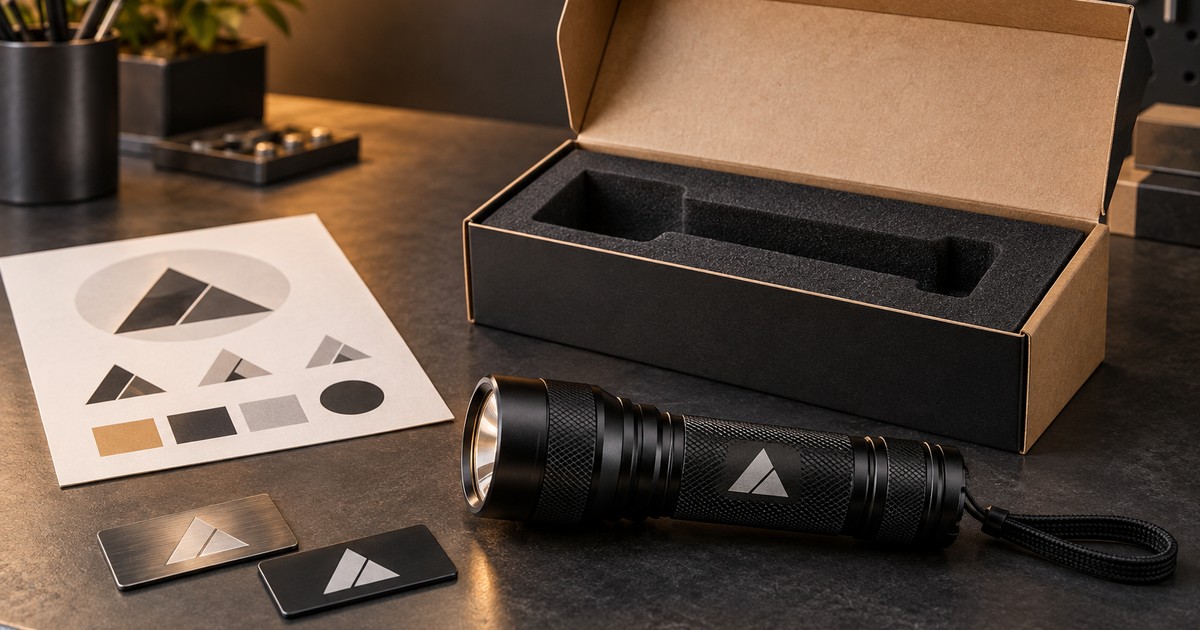
  • How to Customize a Flashlight with Your Logo and Packaging

    How to Customize a Flashlight with Your Logo and Packaging

    Quick answer: To customize a flashlight with your logo and packaging, first choose a decoration method that matches the flashlight material and expected wear. Then prepare production-ready artwork, confirm the exact imprint area, select packaging and inserts, approve proofs, and lock the production schedule before placing the bulk order.

    Lebote is the flashlight brand of Ningbo Lecho Electronics Co., Ltd. The factory supports laser engraving, pad printing, and UV printing for custom flashlight projects. Each method creates a different balance of durability, color, detail, and cost. This guide walks importers, private-label sellers, promotional buyers, and product teams through the decisions that matter from the first artwork file to packaged delivery.

    Choose the right flashlight logo decoration method

    The decoration method affects how the logo looks on day one and how it holds up after repeated handling. Start with the flashlight body material, surface finish, logo colors, expected use, and order quantity. Do not finalize artwork until the supplier confirms the printable area for the exact model.

    MethodBest forMain advantageImportant trade-off
    Laser engravingAnodized aluminum flashlights, premium retail products, frequent handlingPermanent, crisp mark that will not peel like surface inkUsually single-color and dependent on the base material and coating
    Pad printingCurved flashlight barrels, spot-color logos, promotional programsWorks well on rounded surfaces and supports multiple spot colorsSurface ink can wear over time; setup is sensitive to artwork and quantity
    UV printingFull-color artwork, gradients, small visual detailsHigh detail and broad color flexibilityDurability depends on the surface, pretreatment, ink system, and use conditions

    Laser engraving for a durable premium finish

    Laser engraving removes or alters the top layer of a compatible coated metal surface to create a high-contrast mark. It is a strong choice for a personalized LED flashlight that will be handled regularly, because the design becomes part of the surface rather than a layer of ink. Before approval, ask for a sample on the final body color: the contrast can vary between coatings and alloys.

    Pad printing for curved surfaces and spot colors

    Pad printing transfers ink with a flexible silicone pad, so it can follow the curved barrel of many flashlight shapes. It suits simple one- or multi-color marks, especially when a brand color must remain consistent across a promotional product line. Ask the supplier to confirm ink adhesion, color tolerance, and any wear test used for the chosen surface.

    UV printing for full-color detail

    UV printing is useful when the logo includes several colors, gradients, or details that cannot be represented by a single engraved mark. It can produce a polished visual result, but the print still sits on the surface. For products expected to see heavy use, request an adhesion or abrasion test before bulk production.

    Prepare production-ready logo artwork

    Artwork problems are one of the easiest causes of avoidable delay. Send the supplier a clean master file and a visual reference showing the intended size, placement, orientation, and colors.

    • Use vector artwork when possible. AI, EPS, PDF, and SVG are common production formats. Convert fonts to outlines or curves so missing fonts cannot change the logo.
    • If only raster artwork is available, send it at full print size and high resolution. Ask the supplier to confirm whether it is suitable before the proof stage.
    • Specify spot colors with the supplier’s requested color system. Pantone Solid Coated references are commonly used for spot-color work; RGB screen colors should not be treated as a production master.
    • Request the exact imprint-area template. The printable width and height vary by flashlight model, clip position, grip texture, switches, and body taper.
    • Simplify very small details. Thin lines, tiny text, and narrow gaps can close up or lose definition at flashlight scale.

    A packaging dieline should also be built to the finished box dimensions and material thickness. A configurable packaging dieline resource can help a designer understand cut, crease, bleed, and panel relationships, but the final production file should still be confirmed by the packaging supplier.

    Match the custom flashlight packaging to the product

    Good packaging protects the flashlight, keeps accessories organized, communicates the product tier, and provides the required space for instructions and market-specific labels. The right construction depends on weight, shape, sales channel, shipping conditions, and target price.

    • Folding cartons: efficient for pen lights, compact flashlights, and higher-volume retail programs.
    • Hanger boxes: useful when the product must display on a retail peg.
    • Rigid two-piece, drawer, or sleeve boxes: appropriate for premium aluminum flashlights and gift programs.
    • Corrugated cartons: better suited to heavier kits, longer transit, or additional impact protection.
    • Foam or die-cut paperboard inserts: stop the flashlight and accessories from moving, rolling, or rubbing during transit.

    Finishes such as matte or gloss coating, spot UV, embossing, debossing, and foil stamping can raise perceived value. Their cost depends on the artwork area, material, tooling, quantity, and supplier. Request an itemized quotation rather than relying on a fixed online price.

    Plan MOQ, proofs, and lead time before launch

    There is no single minimum order quantity for every custom flashlight. Adding a logo to an existing model normally has a lower threshold than changing the housing, electronics, optics, tooling, or packaging structure. Lead time also changes with the level of customization, component availability, testing, packaging, and shipping method.

    Use a staged approval process

    1. Define the product brief. Confirm the flashlight model, market, quantity, target cost, packaging, accessories, and delivery destination.
    2. Submit artwork and specifications. Provide vector files, color references, placement, and packaging requirements.
    3. Review the quotation and technical confirmation. Separate unit cost, decoration setup, tooling, packaging, testing, and shipping where possible.
    4. Approve a digital proof or physical sample. Check spelling, position, size, color, function, box fit, insert fit, and printed information.
    5. Authorize bulk production in writing. Record the approved sample or proof version, quantity, schedule, inspection plan, and shipping terms.

    Do not commit to a retail launch date until the supplier confirms the production schedule after artwork and sample approval. If the flashlight and packaging are produced by different partners, allow time for both approvals and final assembly.

    What to confirm with an OEM flashlight manufacturer

    An end-to-end OEM partner can coordinate product selection, decoration, packaging, final assembly, and delivery under one production plan. That reduces handoffs, but buyers should still document every approval. Ask these questions before placing the order:

    • Which decoration methods are proven on this exact body material and finish?
    • What is the confirmed imprint area, and can the supplier provide a placement template?
    • What sample, setup, plate, mold, or tooling charges apply?
    • Which packaging dieline and insert material will be used?
    • Which test reports, declarations, labels, or documents apply to the selected model and destination market?
    • What inspection criteria will be used for appearance, function, packaging, and quantity?
    • When does the lead-time clock start, and what approvals can change the schedule?

    Custom flashlight order checklist

    • Final flashlight model and body color
    • Decoration method and confirmed imprint area
    • Outlined vector logo and color references
    • Approved digital proof or physical sample
    • Box style, material, insert, and finish
    • Accessories and printed instructions
    • Confirmed MOQ and itemized charges
    • Applicable testing and labeling requirements
    • Inspection plan, production schedule, and shipping terms

    Frequently asked questions

    Q: What is the most durable way to put a logo on a flashlight?

    A: On a compatible anodized aluminum body, laser engraving is generally the most durable option because the mark is created in the surface rather than printed on top. The appearance depends on the alloy and coating, so approve a sample on the final body color.

    Q: Can a full-color logo be printed on a flashlight?

    A: Yes. UV printing is commonly used for full-color artwork and fine detail. Pad printing can also reproduce multiple spot colors. The best choice depends on the surface shape, color count, durability target, and quantity.

    Q: Which logo file should I send to a flashlight manufacturer?

    A: Send an editable vector file such as AI, EPS, PDF, or SVG with all fonts converted to outlines. Include a visual reference, color specification, and intended placement. If a raster file is the only option, send the highest-resolution version and ask the supplier to verify it at the final print size.

    Q: What packaging works best for a custom flashlight?

    A: Compact promotional lights often suit folding cartons, while premium aluminum flashlights can justify rigid boxes with fitted inserts. Corrugated packaging is useful for heavier kits or demanding transit. The insert should secure the flashlight, batteries, cables, and accessories without excessive movement.

    Q: What is the MOQ for a custom flashlight with a logo?

    A: The MOQ varies by flashlight model, decoration method, packaging, and level of OEM customization. Logo application on an existing model can start lower than a new housing or tooling project. Ask for the MOQ and all one-time charges in the same written quotation.

    Q: How long does a custom flashlight order take?

    A: Timing depends on sampling, components, printing, packaging, testing, quantity, and shipping. A stock-model branding order is usually faster than a full OEM project. Confirm the schedule only after the supplier has reviewed the artwork and requirements.


    Ready to plan a custom-branded flashlight? Prepare your target market, quantity, body material, logo file, packaging concept, and delivery date. LEBOTE can then review the project scope and recommend a practical decoration and packaging route.

    FAQ

    Q: How to Customize a Flashlight with Your Logo and Packaging

    A: Choose the flashlight model and confirm the body material before deciding on laser engraving, pad printing, or UV printing. Send production-ready artwork, approve the logo position and a representative sample, then finalize the box, insert, instructions, quantity, and inspection criteria. Lebote can review a flashlight branding brief and confirm the workable decoration and packaging route for the selected product.